
Butter has long been a staple in European cuisine, with a rich and storied history dating back thousands of years. From ancient civilizations to the modern day, butter has played a vital role in the diet, culture, and economy of many European countries.
One of the earliest recorded uses of butter can be traced back to ancient Egypt, where it was used as a cooking fat and a cosmetic for the skin. From there, it spread to other parts of the world, including Europe, where it quickly became a valuable commodity.
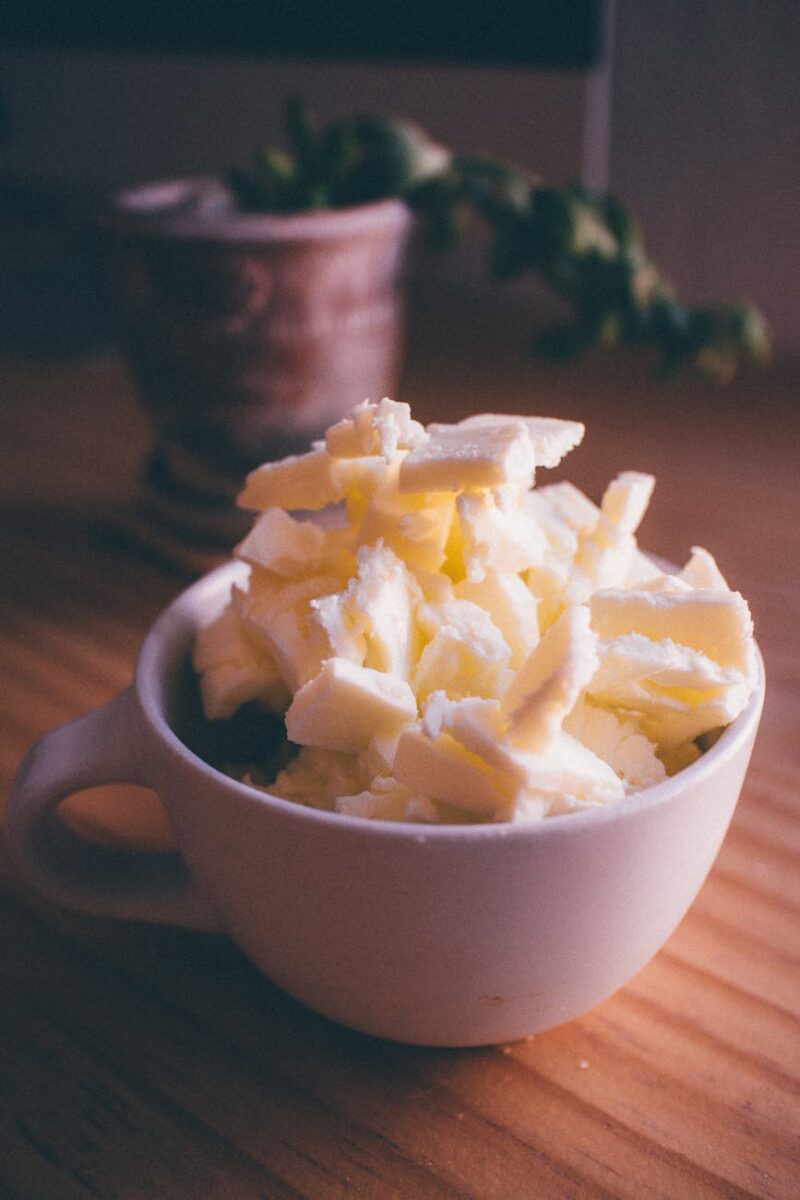
In Europe, butter was traditionally made from cow’s milk, although it could also be made from the milk of goats, sheep, and even yaks in some regions. The process of making butter involves separating the cream from the milk, then churning it until it reaches a semi-solid state. This process could be done by hand using a churn, or by using a machine known as a butter churn.
Throughout history, butter was often considered a luxury item, due to the time and labour required to produce it. It was also often reserved for the wealthy, as poorer people were unable to afford it. However, as agriculture and dairy production became more efficient, butter became more widely available and affordable for all classes of society.
In addition to its use as a cooking fat, butter was also used for a variety of other purposes in Europe. It was often used as a spread on bread and other baked goods and was also used to make a variety of confections and pastries. It was also used as a condiment and was often served alongside savoury dishes such as roast meat or vegetables.
One of the most famous and beloved uses of butter in Europe is in the production of buttery, flaky pastries such as croissants, puff pastries, and Danish pastries. These pastries have become a staple of European cuisine, and are enjoyed by people around the world.
Butter has also played a significant role in the economy of many European countries, with butter production and trade being a major source of income for many farmers and producers. In fact, butter was once one of the main exports of countries such as Denmark and Ireland, and continues to be a major contributor to their economies to this day.
In addition to its use in cooking and baking, butter has also been used for medicinal purposes throughout history. It was believed to have various health benefits and was often used as a treatment for a variety of ailments.
Today, there are many different varieties of butter available in Europe, ranging from unsalted to flavoured with herbs and spices. Some of the most popular varieties include salted butter, unsalted butter, and cultured butter, which is made from fermented cream and has a tangy, slightly sour flavour.
In conclusion, butter has played a vital role in the history, culture, and economy of Europe for thousands of years. From ancient civilizations to the modern day, it has been a beloved and essential ingredient in the cuisine of many European countries and continues to be enjoyed by people around the world.
There are several regions in Europe that are known for their role in butter production. Some of the most well-known include:
- Denmark: Denmark is known for its high-quality butter, and is home to several famous butter brands such as Lurpak and Arla. Danish butter is known for its creamy texture and rich flavour, and is widely available in Europe and beyond.
- Ireland: Ireland is known for its grass-fed cows and high-quality butter, and is home to the famous brand Kerrygold. Irish butter is known for its yellow colour and rich, creamy flavour, and is widely available in Europe and beyond.
- France: France is home to a long tradition of butter production, and is known for its high-quality, flavorful butter. French butter is made from cow’s milk and is aged for at least three weeks to give it a distinct, rich flavour.
- Switzerland: Switzerland is known for its high-quality dairy products, including its butter. Swiss butter is made from cow’s milk and is known for its creamy texture and rich flavour.
- The Loire Valley in France: The Loire Valley in France is home to several famous butter houses, including Beillevaire and Marie-Anne Cantin.
Some of the most well-known butter houses include:
- Beillevaire: Located in the Loire Valley in France, Beillevaire is a family-run butter house that has been producing high-quality butter for over 100 years. They use traditional methods to make their butter and offer a variety of flavoured butter such as garlic, herbs de Provence, and truffle.
- Lurpak: Lurpak is a Danish brand of butter that is known for its creamy texture and high-quality ingredients. It is made from cow’s milk and is aged for at least three weeks to give it a distinct, rich flavour.
- Kerrygold: Kerrygold is an Irish brand of butter that is made from the milk of grass-fed cows. It is known for its yellow colour and rich, creamy flavour, and is widely available in Europe and beyond.
- Land O’Lakes: Land O’Lakes is an American brand of butter that is widely available in Europe. It is made from cow’s milk and is known for its smooth, creamy texture and versatility in cooking and baking.
- Plugrá: Plugrá is an American brand of butter that is made from European-style cream, which is churned longer to create a denser, more flavorful butter. It is known for its rich, creamy texture and is widely used in professional kitchens.